
Over the last decade we have witnessed a major shift of talent, focus and finances moving away from the cinema and towards television. This initially gradual change, from around the point HBO launched The Sopranos, has since seen this exodus of actors, writers and money from big-screen movies to television series steadily become a landslide.

There appears to be no end in sight to the influx of revenue and talent to TV that this repositioning has brought about. With the last two series of Game of Thrones approaching and the series in its final peaks of ascendancy, Luke Jones asks “is big-budget television threatening cinema?” If it is, how did we get to the point where television is now proclaiming itself again to be the king of popular entertainment?
This is not the first time that there has been such a shift of viewing habits from the large to the small screen, although in the 1950’s it was the arrival of television itself that challenged the movie-making industry to protect their interests and attempt to entice viewers back to the theatre. These days, rather than the introduction of the cathode ray tube, it is the proliferation of high-end mobiles and tablet technology that are a major part of the reason for inducing this redirection of resources. HBO, Netflix and TV-On Demand services have influenced consumer decisions to forego the cinema in favour of home theatre.
However, to put this sea-change down to a mere shift in technology would be naïve, as 4k TV appears to be the zenith point for televisual picture quality and clarity, while the gimmicky attempt to revitalise modern television sales through the addition of curved screens and the revival of 3D have both stalled, seemingly fatally.

A practical benefit to the television series format has been offering producers the opportunity to reveal their narratives at a more considered pace and this has been massively beneficial to the long-running, high-budget TV projects that have recently been receiving praise and impressive viewing numbers. Much to the chagrin of audiences over the years the film industry has systematically neutered the translation into film of much-loved and anticipated fan favourite film or childhood classics, books and comics by inflicting running-time and narrative limitations on productions, from a position of corporate economics and profitability.
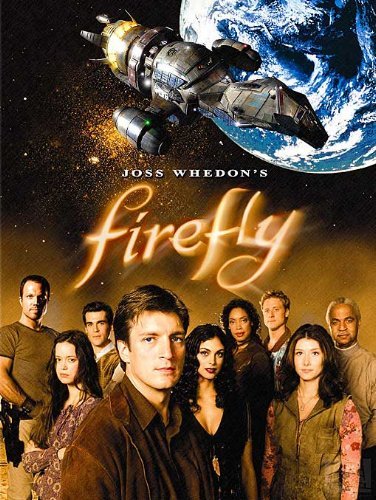
For some time, the television industry had also been plagued by this form of corpocratic intervention. Joss Whedon is a good example of a director/producer who, since the 1990s, was trying to get away from the sci-fi, network-friendly television formula of ‘go through Stargate, reach new planet, meet new alien, kill/befriend, leave, go through Stargate, reach new planet…’. Whedon was attempting to persuade studios to commission lengthier series with longer-running, integrated story arcs, but was getting consistently shut down. Although the runaway fluke popularity of Buffy saved that show from being axed, the corporate tendency was clear, as could be seen from the later, lamentable cancellations of Firefly and Dollhouse.
It was HBO who began to successfully drive the change toward television by commissioning well-written, big budget dramas as well as enticing established big-screen actors through favourable wages. From this we began to see the production of series like The Sopranos, Deadwood and The Wire, which in turn forced other networks like AMC and Amazon to sink similarly large amounts of money into such enterprises, bringing us Breaking Bad, The Walking Dead, Boardwalk Empire and Fargo, to name but a few.
The challenge to cinema revenues from television’s arrival in the 1950’s led to collusion within the industry, as studios made deals with each other regarding their output, release dates and share of the cinema-going audience’s revenues. With the gauntlet having been thrown down again by television recently you would expect cinema to return with force, and yet, it appears that the industry is adopting those same tactics of the 1950’s to weather this current storm.
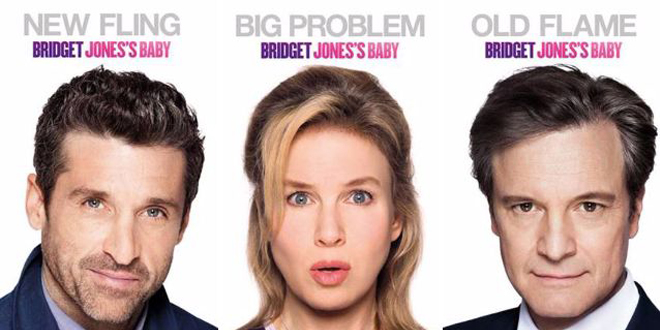
Most of the larger blockbusters of recent years have been flat and dull, blatantly churned out to fill cinema customer demographics. This can be easily evidenced across so much generic toss as Bridget Jones’s Baby, War Dogs or London Has Fallen, or from constructed Oscar-contenders and awards collectors such as Moonlight or La La Land. None of the recent industrial change, to my mind, excuses how awful much of the output on the big-screen in recent years has been. That a lot of acting and writing talent, finances and audiences are moving toward television cannot mean that the major film companies haven’t the funds to produce decent cinema, certainly not in that wealth-engorged industry.
Where cinema is still proving popular, it seems to come from adopting those tropes and formats that it had previously shunned. Franchises, from Harry Potter to Star Trek, are big business in film these days. Taking the serialised route, instalments of beloved action adventures have become the most lucrative of cinema’s current outputs. Joss Whedon, in particular, has again been a part of this change, as he has applied his narrative techniques to the Marvel films. Whether you love them or loathe them, the fantastic production values, integrated narratives, stupendous CG effects and improved writing behind the superhero franchises have, since Iron Man, been of such a high quality that the more traditional cinematic blockbusters being produced have struggled to compete. Interstellar, Arrival, Ben Hur, The Magnificent Seven; all of these star-led, big-budget, major showings seem slow and underdeveloped in comparison, or two-dimensional (which is ironic for Interstellar) and dull.
The death of the cinematic blockbuster (if you discount the superheroism/magic of the successful sci-fi and fantasy action genres) may not be such a bad thing for film. In the 1950’s it caused studios to invest not just in their major outputs but their minor films as well. The adoption of this strategy recently has resulted in some more typically independent movies being produced under major studio banners, and to good benefit, with some wonderful odd-ball films such as Frank, Swiss Army Man and Captain Fantastic being produced.

Personally, I hate most cinema trips; they feel like a trap, and a particularly low-class one at that. Apart from whether or not I enjoy the film I have chosen (or through marketing have been ‘encouraged’) to go see, everything – from the uncomfortably plastic experience to the hyper-inflated cost of snacks to the tacky commercialism – makes the experience feel like an economically expensive, yet culturally cheap venture.
In this decade of austerity the disgusting wallet rape that going to a cinema entails was always going to take its toll. Much as local pubs have died out through brewery monopolies like Young’s undercutting their profit margins, shutting them down and gentrifying those areas has driven more people to drink at home, similarly, entertainment has also gone that way. Maybe it isn’t such a bad thing that TV is stealing the money and taking the talent, to the extent that the plastic movie theatres of Vue and Odeon are struggling to make their usual profits.
Fuck the cinema. Fuck the hegemony of studios, the monopoly of over-priced, branded confectionary, sticky floors, feckless employees and other people talking.